
Enterprise Resource Planning (ERP)
AI Key Takeaways
- Analyzes how "Enterprise Resource Planning (ERP)" serves as a catalyst for digital transformation and enterprise growth.
- Underlines the critical necessity of architecting tailor-made, secure software infrastructures.
- Shares concrete, industry-standard recommendations for building resilient and agile business processes.
- Demonstrates the expert capabilities of Alwajeez Tech in engineering high-fidelity digital solutions.
Enterprise Resource Planning (ERP) systems serve as the digital backbone for modern organizations striving to scale operations, maximize profitability, and maintain rigorous financial governance. In this comprehensive guide, Alwajeez Technologies explores the strategic role of ERP systems as key catalysts for enterprise digital transformation in Saudi Arabia, fully aligned with Saudi Vision 2030 objectives.
What is an Enterprise Resource Planning (ERP) System?
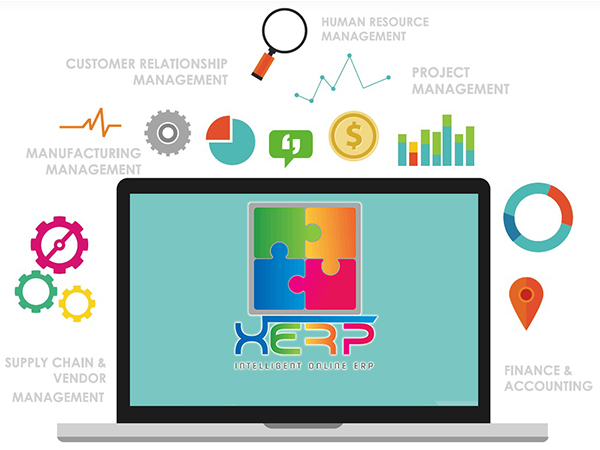
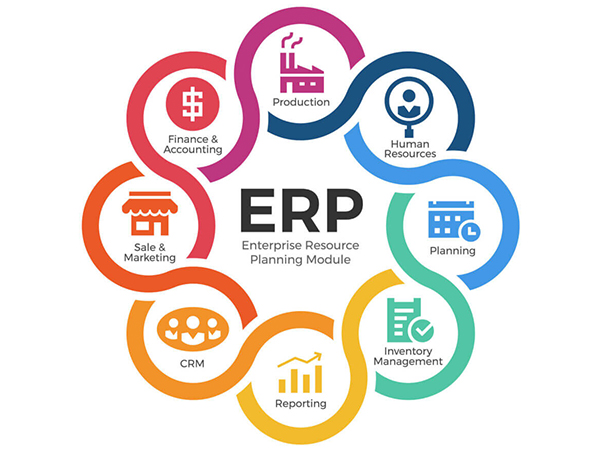
An Enterprise Resource Planning (ERP) system is an integrated software platform designed to manage and automate core business operations across an entire organization. This includes general ledger accounting, supply chain and warehouse management, sales and CRM, procurement, human resources and payroll, and production manufacturing. By unifying these departments into a single source of truth, an ERP eliminates data silos and ensures seamless, accurate data flow across all operational units.
Strategic Benefits of an Integrated ERP System
1. Data-Driven Decisions with Real-Time Analytics
Modern ERP systems replace delayed, error-prone manual spreadsheets with interactive executive dashboards. Leadership gains real-time visibility into sales metrics, inventory levels, profit margins, and cash flow dynamics, enabling faster and more confident strategic decisions.
2. Operational Efficiency & Cost Reduction
By automating repetitive business workflows—such as journal entries, invoice reconciliation, and automated purchase requisitions triggered at reorder points—an ERP system drastically minimizes human error and saves hundreds of operational hours every month.
3. Strict Financial Governance & Regulatory Compliance
ERP platforms provide comprehensive audit trails, role-based access control, and fraud prevention controls. Crucially for Saudi enterprises, a localized ERP ensures full compliance with local regulatory frameworks, including ZATCA Phase 2 e-invoicing requirements and Saudi labor laws.
4. Enhanced Customer Satisfaction & Rapid Fulfillment
Bridging sales operations directly with warehouse inventory and dispatch logistics guarantees fast and accurate order fulfillment, backed by centralized post-sale tracking and support ticketing.
How Alwajeez Technologies Empowers Saudi Enterprises
Alwajeez Technologies delivers customized, high-performance ERP solutions tailored specifically to the requirements of the Saudi market. With flexible deployment options—including cloud SaaS and on-premise infrastructure—and full source-code ownership packages, our seasoned engineering team provides end-to-end implementation, system integration, and dedicated technical support to drive your digital transformation forward.
المحتوى متوفر باللغة العربية
هذا المقال متاح بالكامل باللغة العربية مع مراعاة الصياغة الإقليمية.

rony
Verified ExpertAlwajeez Tech is a premier software development and AI engineering corporation headquartered in Jeddah, Saudi Arabia. Working under Saudi Vision 2030, our expert editorial team produces research-based technical articles and enterprise software strategies to assist local and international businesses in achieving digital efficiency.